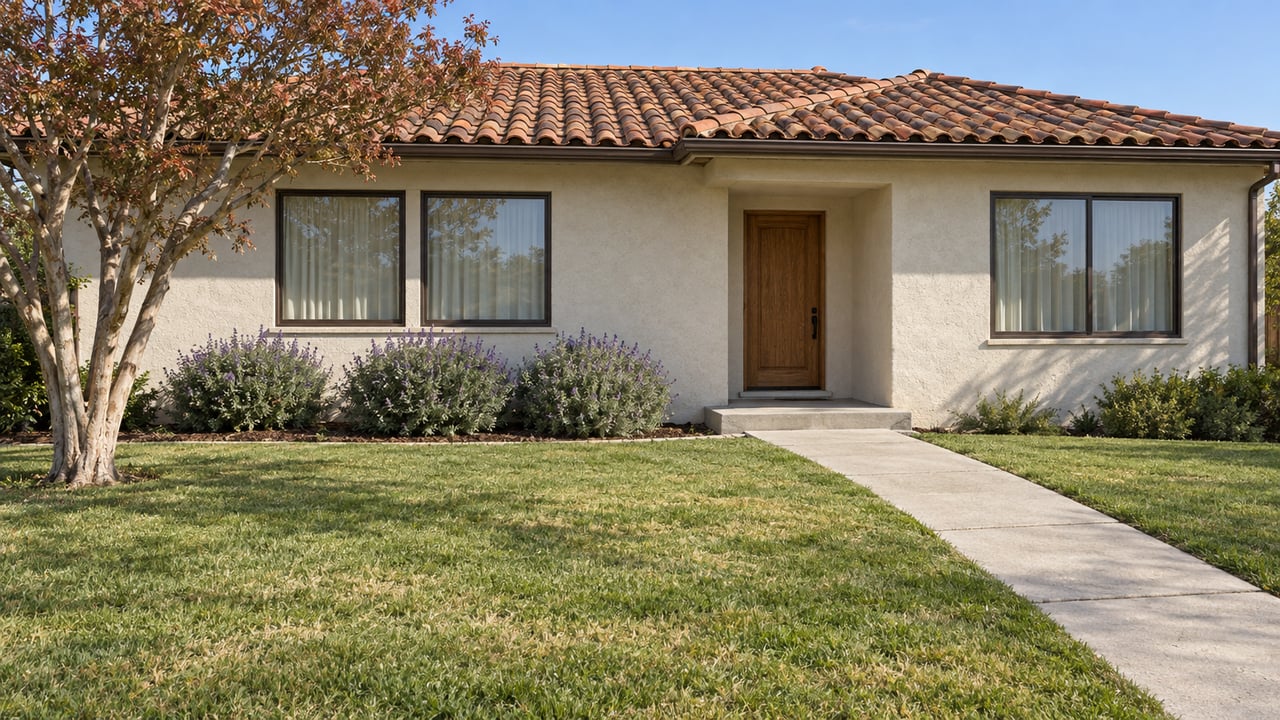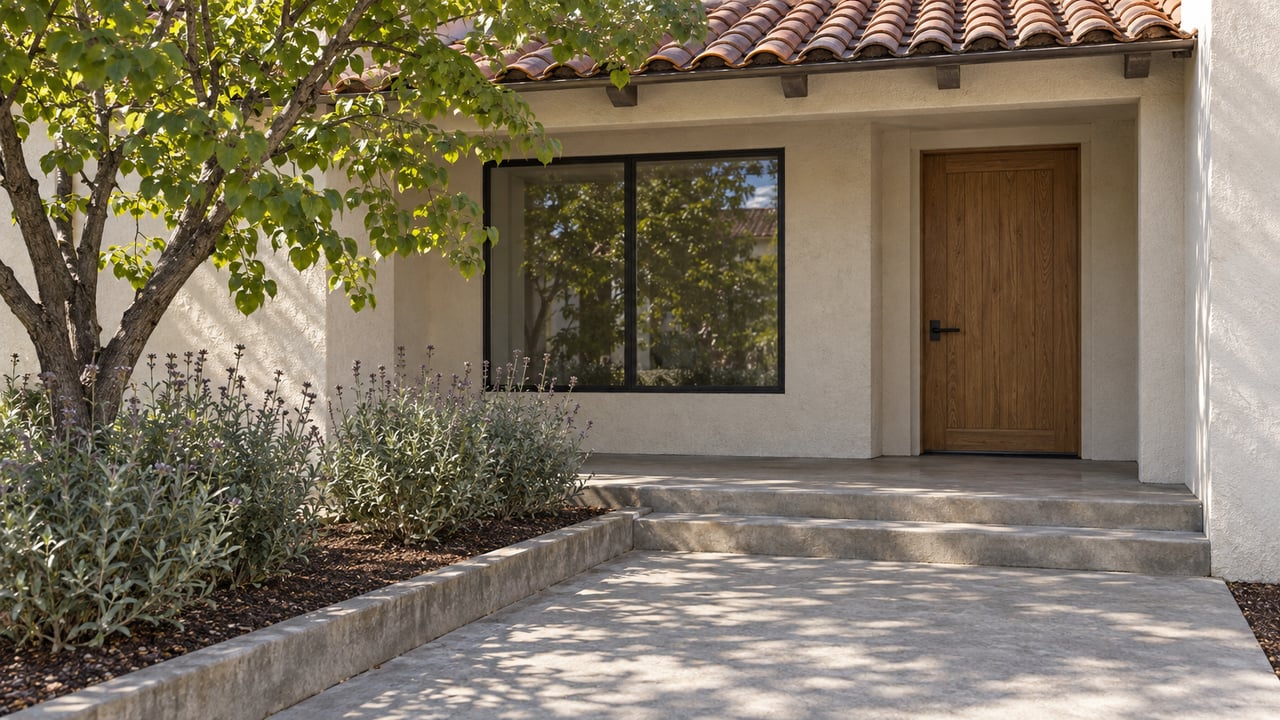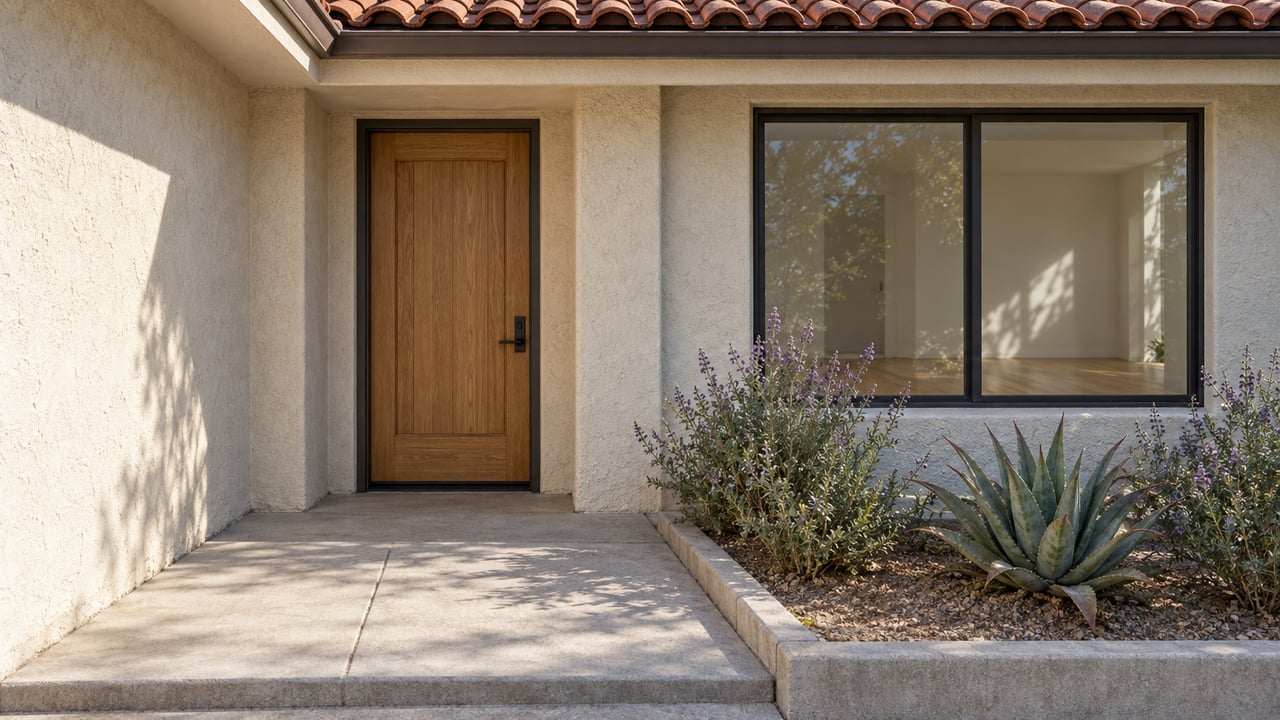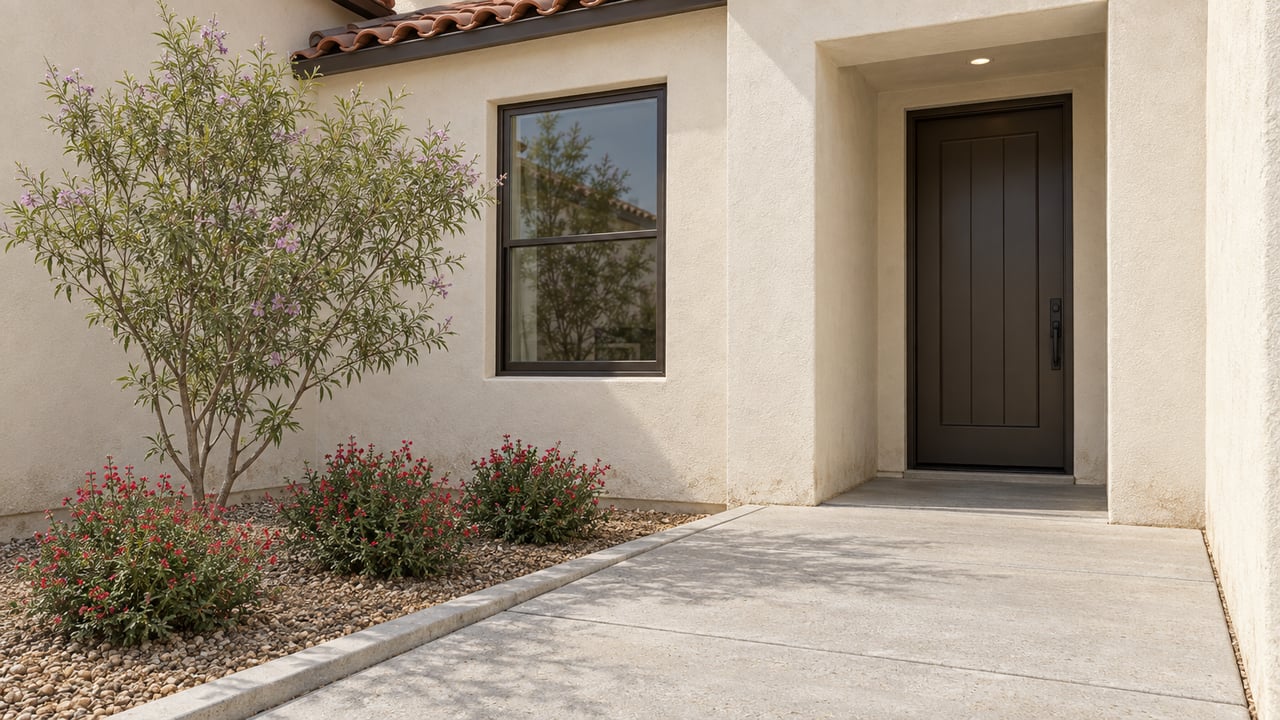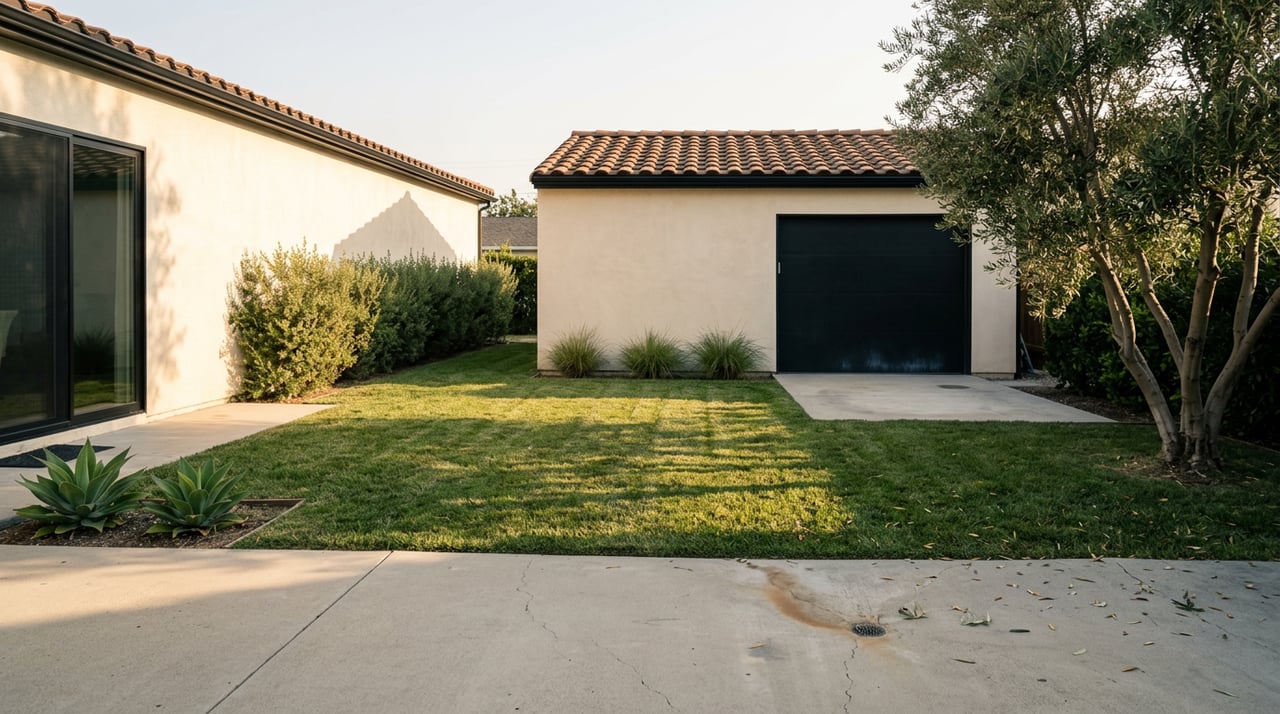
A house in Pico Rivera averages 1,358 square feet. The typical home across Los Angeles County runs 2,306 square feet. That's not a rounding difference. Pico Rivera's housing stock is, on average, 41 percent smaller than the county it sits inside, yet homes here are still selling at a median price north of $700,000. If you're comparing neighborhoods on price per square foot alone, Pico Rivera looks expensive for what you get. That comparison is measuring the wrong asset.
The house was never the point. The lot underneath it was.
What the Postwar Builders Left Behind
Pico Rivera became a city in 1958, when the two farming communities of Pico and Rivera voted to incorporate as one. Pico's name traces back to Pío Pico, California's last Mexican governor. The land those two communities sat on was alluvial flatland between the San Gabriel River and the Rio Hondo, and that geography shaped everything that got built there afterward.
Developers working these flats in the postwar decades laid out deep, level residential lots with rear alley access and detached garages, the kind of layout that was standard for the era but has become unusually valuable now. Neighborhoods like Rivera, Pico, and Smith Park still carry that original lot geometry today: modest single-story homes set well back on parcels with real backyard depth, not the shallow, sloped, or oddly angled lots that make second-unit construction a headache in hillier parts of Los Angeles County.
That geometry is exactly what accessory dwelling unit construction needs. Flat grades keep foundation costs down. Alley access means a detached unit doesn't have to compete with the driveway. And because GatherADU says the city's zoning code sets side and rear setbacks as low as 4 feet for single-family lots, most of these deep parcels have more usable backyard than the setback math requires.
The Permit Numbers That Tell the Real Story
Pico Rivera permitted 341 accessory dwelling units between 2018 and 2024, with 78 of those coming in 2024 alone, the peak year on record for the city. That volume puts Pico Rivera among the more active ADU markets in California, a state where ADU permitting statewide has grown roughly twentyfold over the same stretch. This isn't a trend limited to investors. It's homeowners in a family-rooted, multigenerational community adding space for grown kids, aging parents, or a caretaker, and in the process building a legally permitted rental unit that generates real income.
That income runs $1,500 to $2,800 a month depending on the size and finish of the unit. Set that against a state law that, Backyard ADU reports, no longer requires an owner to live on the property as a condition of ADU approval, and the math opens up to investors as well as owner-occupants. A buyer evaluating a Pico Rivera property purely as a 1,358-square-foot house is pricing half the asset.
Here's the comparison that actually matters when you're standing in front of a listing:
| The house you're pricing | A potential unit on a qualifying lot | |
|---|---|---|
| Typical size | 1,358 sq ft (city average) | Up to 1,200 sq ft detached, or 500 sq ft as a junior ADU built into the existing home, according to the City of Pico Rivera |
| Construction era | Mostly 1950s-60s postwar build | New construction, built to current code |
| Income potential | Owner-occupied or single rental | $1,500 to $2,800 a month, per current ADU market data |
| Approval path | Not applicable | 60-day ministerial review under state law, no public hearing required for code-compliant plans |
Although 1,200 square feet is the maximum detached ADU size, that limit affects what a typical lot can accommodate. On the right lot, you're not adding a shed in the backyard. You're adding substantial livable square footage on the parcel, and doing it under a state-mandated review process that the city can't slow down with discretionary hearings.
Pico Rivera has leaned into this rather than fighting it. The city runs a Pre-Approved ADU Plan program that lets homeowners submit from a set of city-vetted designs, cutting weeks off the planning review since the floor plans have already cleared staff once. Combined with the state's 60-day completeness clock, a straightforward ADU project can move from application to permit in roughly three and a half to four months.
What the Current Price Data Actually Shows
Depending on which source you check, Pico Rivera's median home value sits anywhere from the mid $600,000s to the upper $700,000s. Zillow's home value index put it at $684,527 as of May 2026, down 2.4 percent over the prior year. Redfin's sold-price data showed a $740,000 median in October 2025, with days on market stretching to 47 from 26 a year earlier, a clear signal that buyers now have more room to negotiate than they did during the tighter market of the previous year. Active listing data pulled from the MLS in mid-August 2026 put the average asking price closer to $781,000 across the current inventory.
Those numbers will keep shifting month to month, and none of them are wrong exactly, they're measuring different things: an index estimate, a trailing sales average, and current asking prices. What none of them capture is the point of this whole piece. A buyer who only compares that median figure to Whittier's or Downey's median down the road is comparing structures. The lot behind a Pico Rivera home, particularly one in the Rivera, Pico, or Smith Park areas with alley access and a detached garage still standing, carries a second value line that doesn't show up in any of those medians.
What to Check Before You Write an Offer
If you're evaluating a Pico Rivera property with ADU potential in mind, the questions worth asking on a walkthrough are different from the ones you'd ask elsewhere:
- Does the lot have rear alley access, or is the only access through the driveway
- Is there an existing detached garage that could be converted rather than requiring new construction
- What's the actual depth of the backyard once you subtract the required setbacks
- Has any prior owner already pulled permits for site work, utility upgrades, or partial construction
None of these show up in a listing's headline price per square foot. All of them change what the property is actually worth to you.
A Few Questions Worth Asking Before You Commit
Do I have to live in the main house to build and rent out an ADU? No. State law extended its ban on owner-occupancy requirements for ADUs through January 1, 2030, which means an investor can purchase a Pico Rivera property, build a permitted second unit, and rent both the main house and the ADU without living on site.
How big can a detached ADU actually be on a typical lot here? State and local rules cap a new detached unit at 1,200 square feet. A junior ADU built into the existing home tops out at 500 square feet.
Does adding an ADU actually raise the resale value, or does it just generate rent? Both can be true, but they're separate calculations. Rental income is the more predictable number. Resale value depends on buyer demand for multigenerational or income-producing properties at the time you sell, which is a separate market question from the one this piece is answering.
Is every lot in Pico Rivera a good ADU candidate? No. Setback requirements, lot depth, and existing structures all affect feasibility. A property with a shallow backyard or no alley access will cost more to build on than one that already has the geometry this piece describes.
If you're weighing a Pico Rivera property against something in a neighboring city, the median price on a portal page is the least useful number in the decision. What the lot allows, and what that allowance is worth in monthly rent or added living space, is the number that actually separates a good purchase from an expensive one. The Vasquez Group works this market from the ground up, county comps, city permit data, and all. Get your free home valuation and we'll walk the lot with you before you walk the house.
This article is general information, not legal, tax or financial advice. Consult a qualified professional about your situation.