Thinking about more space, newer amenities, and a lifestyle that fits your weekend plans without the coastal price tag? You are not alone. Many buyers who work in Anaheim, Santa Ana, or Irvine look east toward Riverside County for value and comfort. In this guide, you will learn what master-planned living looks like here, from clubhouse perks to HOA and Mello-Roos costs, commute trade-offs, home types, and price snapshots across key areas. Let’s dive in.
What “master-planned” means in Riverside County
A master-planned community is a large, coordinated development built in phases with shared open space and amenities. You will typically see community clubhouses, pools, trails, parks, and onsite infrastructure funded through one or more homeowners associations and special tax districts. City planning records describe how these plans are structured, managed, and financed across the region. You can explore how Riverside County communities use HOAs and special districts in municipal documents like the Menifee specific plan overview, which outlines amenities and financing tools used in modern master plans. Planning documents detail these patterns.
In Riverside County, newer master-planned communities concentrate in the southwest and western corridors. Popular clusters include Menifee, Temecula, Murrieta, Corona and Temescal Valley, and Eastvale. These areas had the land to deliver larger plans, multi-village amenities, and connected parks and trails.
Everyday lifestyle and amenities
The day-to-day experience is a big draw. Many Inland Empire master-planned communities feature:
- Clubhouses with multi-purpose rooms and event programming.
- Fitness centers, outdoor and indoor pools, and splash pads.
- Picnic and BBQ areas, lighted sports fields, and courts.
- Walking and bike trails, plus organized activities like movies in the park and holiday festivals.
City records and community pages highlight these features at well-known neighborhoods in Menifee, Temecula, Murrieta, and Temescal Valley. These amenities are part of the coordinated design that defines master plans. For a sense of how cities frame these features, review the Menifee planning materials on clubhouses, parks, and trails. See the amenity framework in city documents.
Age-targeted 55-plus choices
Several master plans include age-restricted neighborhoods or are built entirely for 55-plus residents. These communities typically add expanded programming, indoor studios, and social calendars designed for active adults. Terramor in Temescal Valley includes 55-plus options and is a useful example of how age-targeted living fits within a larger plan. Explore an example of a 55-plus enclave at Terramor.
HOA, Mello-Roos, and how amenities are funded
Most newer master plans rely on a combination of HOAs and Community Facilities Districts to fund infrastructure and amenities. CFDs, commonly called Mello-Roos, show up as special tax lines on your property tax bill. City planning and financing records for communities in Menifee and Temescal Valley show this pattern across new construction. City documents explain how HOAs and CFDs work together.
HOA dues vary widely. Smaller sub-associations that handle simple common areas can be in the lower range, while resort-style master plans with multiple recreation centers and sports parks carry higher combined charges. Because each parcel can sit in different associations or improvement areas, you should verify the exact amounts and any special taxes for the specific home you are considering. Always confirm the CC&Rs, current budgets, and whether the property is in a CFD or similar district.
What to request from the HOA
When you get serious about a home in a master-planned community, request and review:
- CC&Rs and bylaws
- Current operating budget and the latest reserve study
- Meeting minutes from the past 12 months
- Rules on rentals and exterior modifications
- Contact information for the management company
- The exact wording and maturity schedule for any CFD or special tax on the parcel
- A list of which amenities your parcel includes and whether any are managed by a separate sub-association
You will find many of these disclosures referenced in community and city records. Use city planning packets as a framework for your questions.
Home types and price snapshots
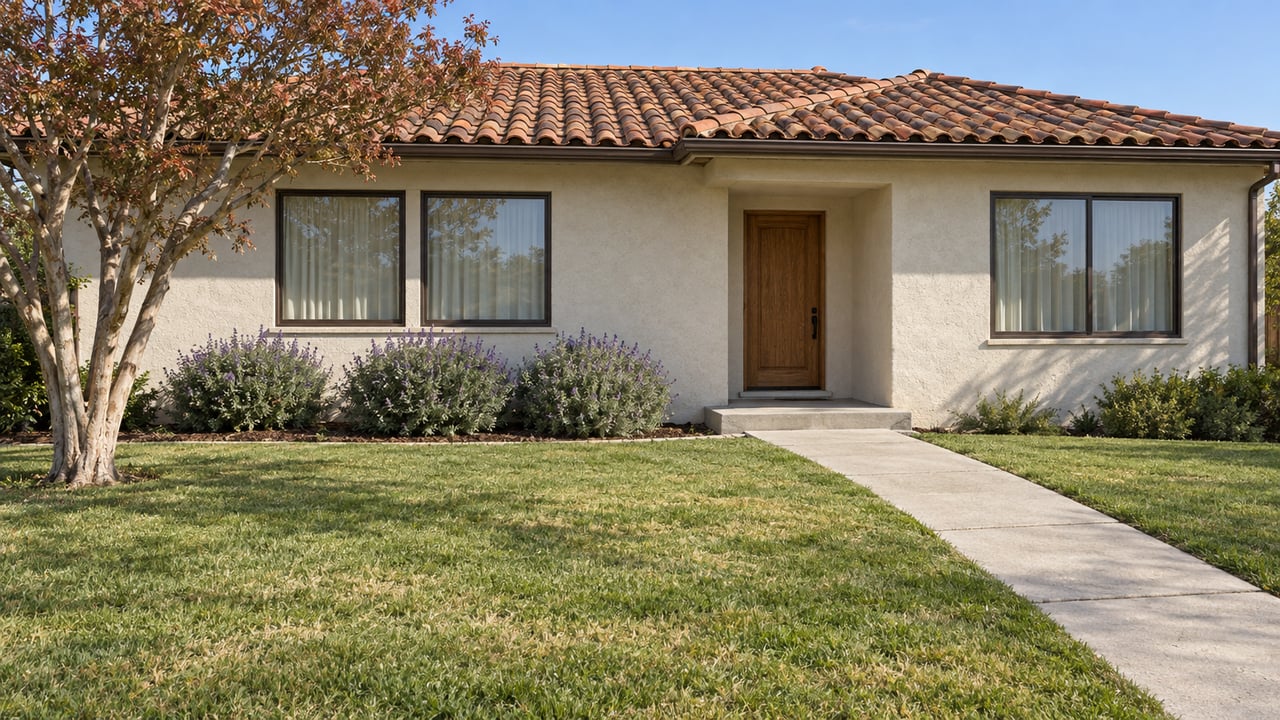
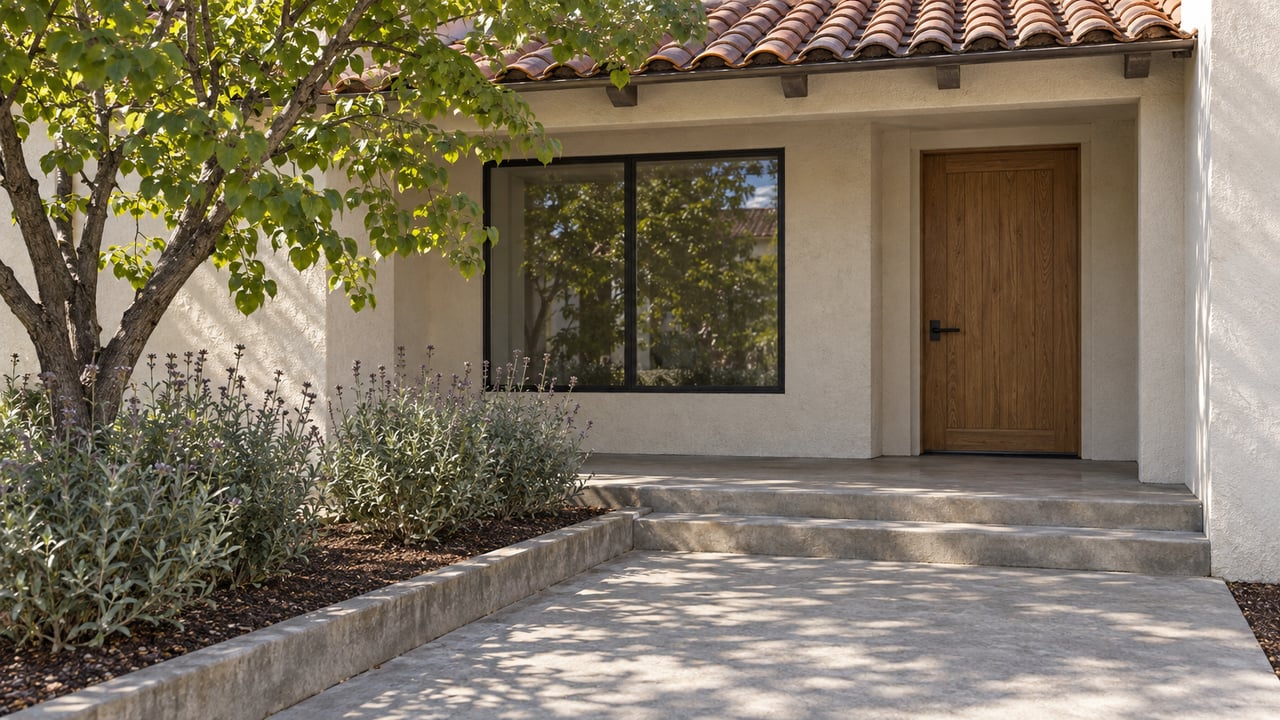
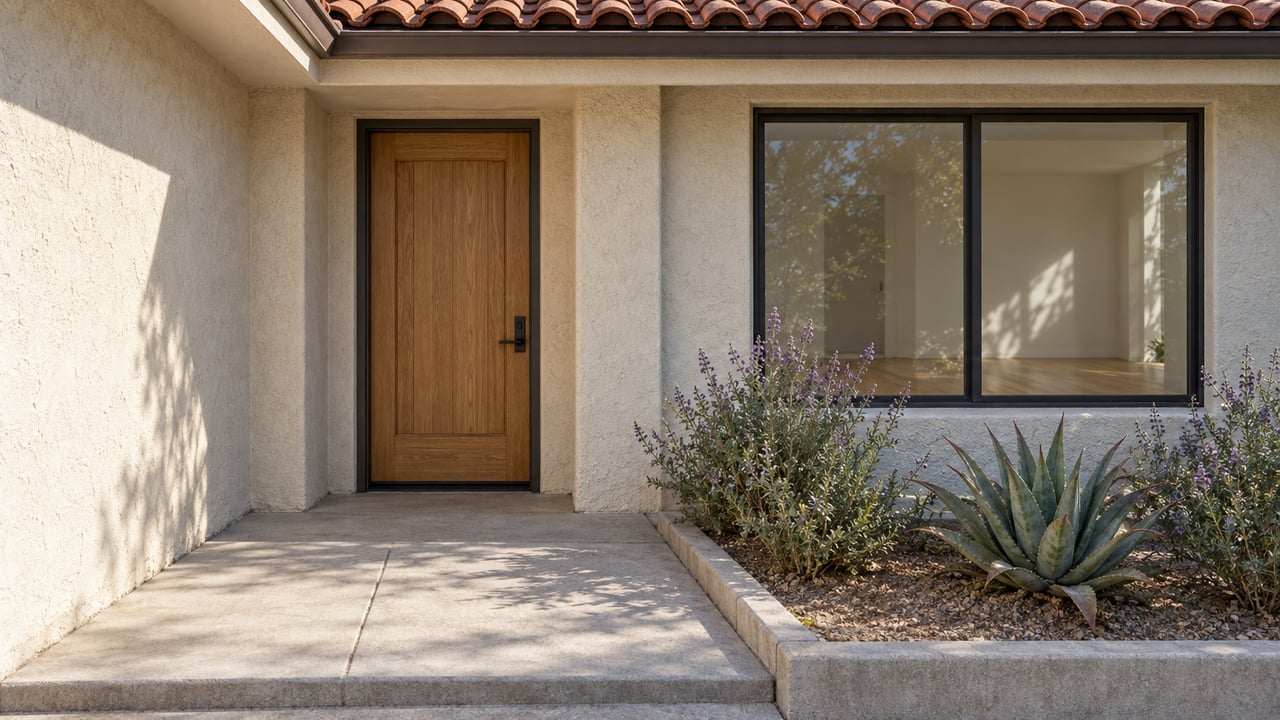
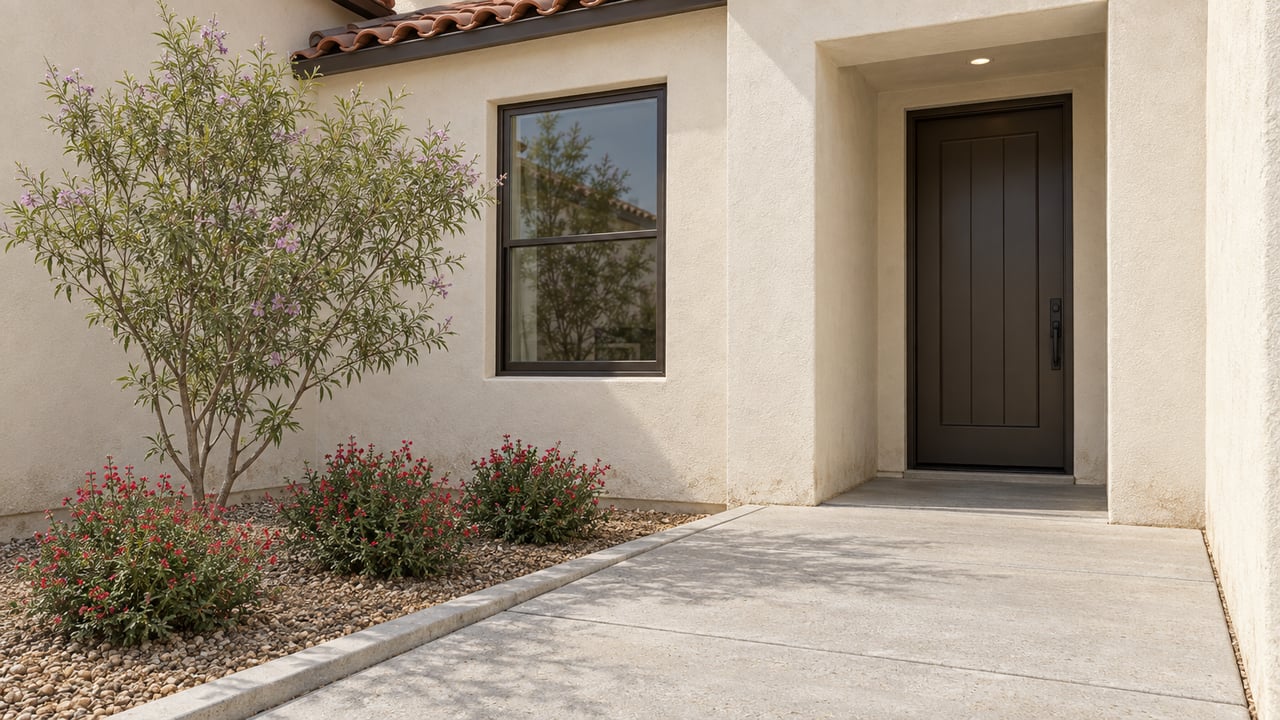
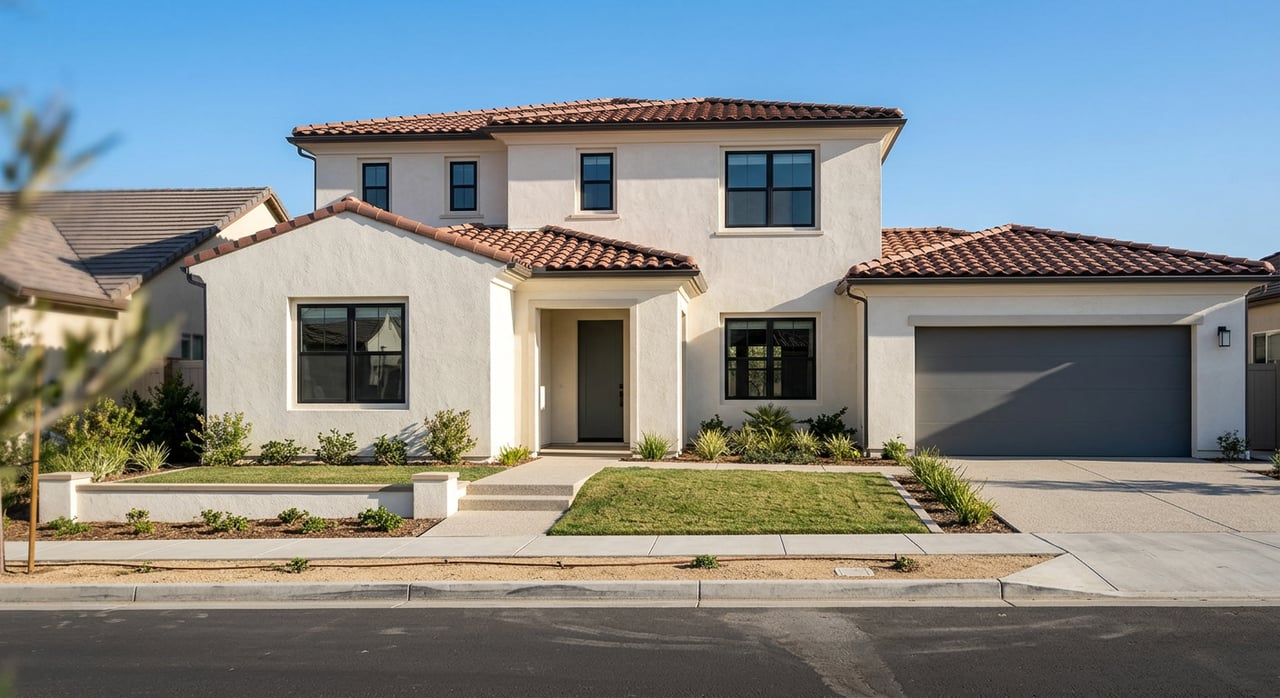
Most Riverside County master-planned communities emphasize single-family detached homes with three to five bedrooms. Open-plan living, attached casitas or townhomes in select villages, and two or three-car garages are common. Architectural themes lean Mediterranean, Spanish, and contemporary Southern California styles. Builders often include energy-efficient features and, in many new neighborhoods, on-site solar as an option or standard depending on the builder and contract. Regional community pages and builder announcements describe these model types and sizes across neighborhoods like Spencer’s Crossing. See typical model patterns described by builders.
Here are February 2026 median sale price snapshots to help you frame expectations. City medians include mixed product types, so pricing inside a specific master-planned village can differ based on lot size, amenity level, and age of the homes:
- Temecula: about 693,000 dollars.
- Menifee: about 572,500 dollars.
- Eastvale: about 920,000 dollars.
- Lake Elsinore: about 580,000 dollars.
For context, typical home values in nearby Orange County markets run higher. Anaheim’s typical values are around 926,000 dollars, and Irvine’s are around 1.5 million dollars as of early 2026. Many buyers cross-shop Riverside County to get more home and yard for the money. Always check the current market snapshot for the neighborhood you are targeting, since values can shift month to month.
Who builds here and how homes deliver
National and regional builders are active across Riverside County master plans. Projects often deliver in multiple neighborhoods within a single plan, with phased releases over several years. Public announcements and community pages commonly list participating builders and model collections so you can track upcoming inventory and amenity rollouts. Builder communications illustrate this multi-neighborhood approach.
Commute reality and transportation trade-offs
Riverside County’s mean travel time to work is about 33.8 minutes. Many residents travel longer, especially those commuting toward Orange and Los Angeles counties at peak times. Census QuickFacts covers the county’s commute averages.
The primary commuter spines for southwest Riverside County are I-15 and I-215, with SR-91 connecting toward Orange County. Peak travel in these corridors can push door-to-door trips well past an hour, depending on your schedule and destination. Many buyers accept a longer commute in exchange for more home, yard, and community amenities.
Rail and express options
Metrolink operates multiple lines that serve Riverside County, including the Inland Empire–Orange County corridor and connections that can shorten certain long commutes. First and last mile to stations can still be car-dependent, so check proximity to park-and-ride lots or local shuttles. If you plan to work in Anaheim, Santa Ana, or Irvine, map your nearest station, confirm the timetable, and consider combining rail with vanpool or carpool options. Review Metrolink’s strategic plan for coverage and priorities. Regional studies also show strong commute flows from inland communities to coastal job centers, especially for long-distance commuters. See examples of regional commuting patterns.
New projects and where to look
Riverside County continues to add master-planned inventory and civic elements like parks, schools, and lifestyle centers. Eastvale, for example, has seen announcements tied to new master plan investments that point to more homes and services coming online. These rollouts help refresh resale demand and keep amenities current as communities mature. Read about recent master plan investment activity in Eastvale.
If you are exploring 92530 and nearby areas, consider these examples as you build a short list:
- Temescal Valley: Terramor offers a range of neighborhoods, including age-restricted options and extensive amenities.
- Menifee: Communities such as Audie Murphy Ranch and other large plans emphasize clubhouses, parks, and multi-village design.
- Temecula and Murrieta: Harveston and Spencer’s Crossing highlight the amenity-rich model with trails, pools, and community events.
- Eastvale: A mature enclave with continued master plan investment and higher price points that reflect its position in the Inland Empire.
Use city planning and community pages to confirm which amenities are open now, which are planned, and how they are funded. City-level planning documents are a reliable starting point.
How to compare your total monthly cost
When you compare a master-planned home with an older neighborhood, look beyond the sticker price. Model your complete monthly carrying cost so you have a true apples-to-apples picture.
- Principal and interest on your mortgage
- Base property taxes
- HOA dues for the master association and any sub-associations
- Special taxes or assessments from a CFD or improvement area
- Homeowners insurance and, if applicable, mortgage insurance
Each line item can vary by parcel, even inside the same community. City and CFD records list special assessments in the public domain, and community disclosures provide HOA budgets, reserve studies, and rules. Start with city and community records to build your worksheet.
Smart steps for buyers
- Define must-have amenities and nice-to-haves before touring. That helps you decide if a higher HOA is worth it for your lifestyle.
- Verify HOA rules on rentals and exterior changes if you plan to rent, add solar, or landscape.
- Map your daily commute at peak hours and test a Metrolink route if relevant.
- Pull recent sale comps inside your target village. Medians are helpful, but model year and lot size matter.
- Ask about any pending special assessments or amenity expansions that could impact costs.
If you want a structured approach, our team can help you gather HOA packets, confirm any special taxes, and compare neighborhoods across 92530, Temecula, Menifee, Murrieta, Corona, and Eastvale. Hablamos Español.
Ready to focus your search or get a read on resale value? Connect with Misael Vasquez for a data-forward game plan tailored to your goals.
FAQs
What is a master-planned community in Riverside County?
- A large, coordinated development with shared amenities like clubhouses, pools, parks, and trails, built with HOAs and often special tax districts that fund infrastructure and facilities.
How much are HOA dues and Mello-Roos in these communities?
- Costs vary by parcel and amenity level; verify the CC&Rs, current budget, and any CFD or special tax for the exact home you are considering rather than relying on averages.
How long are commutes from Riverside County to Anaheim or Irvine?
- The county’s mean commute is about 33.8 minutes, and peak trips toward Orange County can exceed an hour along SR-91 and I-15 depending on schedule and destination.
Are there 55-plus neighborhoods in Riverside County master plans?
- Yes, several plans include 55-plus sections; Terramor in Temescal Valley is one example with age-restricted options and robust programming.
How do Riverside County prices compare to Anaheim or Irvine?
- As of early 2026, city medians in Menifee and Lake Elsinore are in the high 500,000s, Temecula is in the high 600,000s, and Eastvale is higher; Anaheim and Irvine values trend significantly higher, which is why many buyers cross-shop for value.