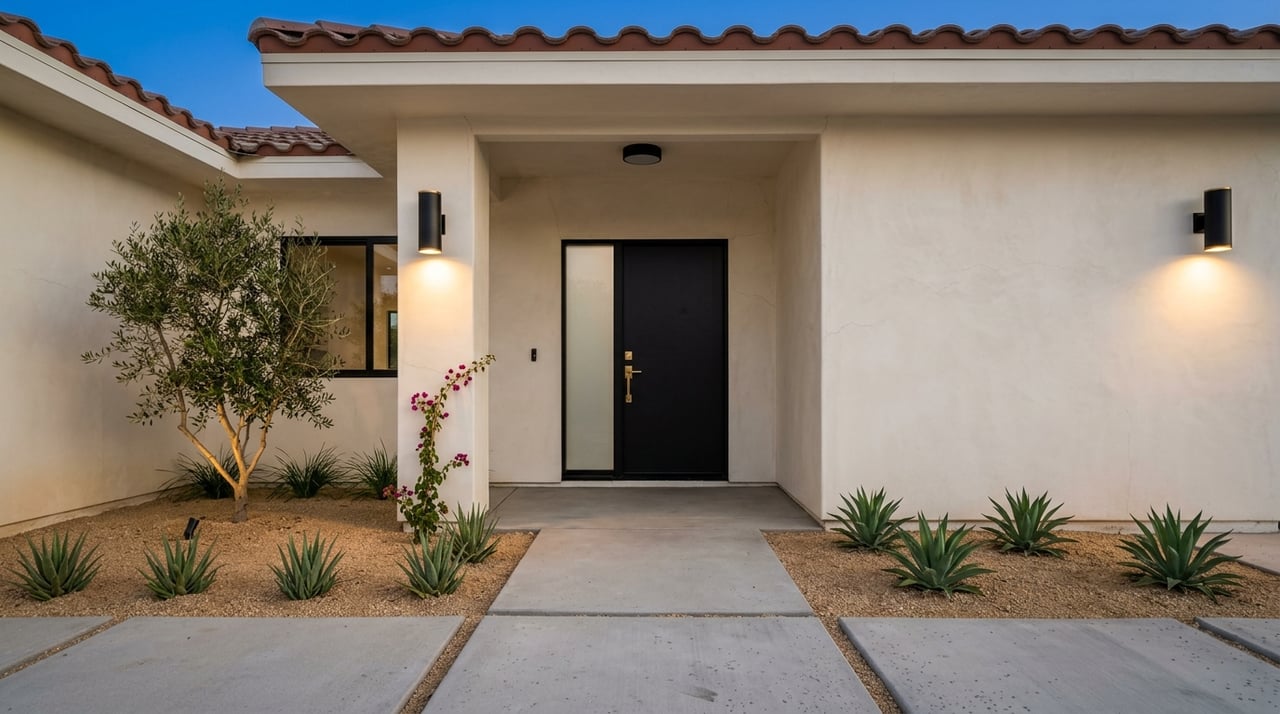
Buying a bank-owned home in San Bernardino County can feel like a great opportunity right up until the closing process starts moving fast. If you are under contract on an REO property, you may be dealing with fewer seller disclosures, an as-is sale, and a tighter path from acceptance to recordation. This checklist will help you focus on the steps that matter most so you can reduce surprises, protect your money, and get to closing with more confidence. Let’s dive in.
Why REO closings need extra care
Bank-owned homes often close differently than a standard resale. In California, foreclosure sales and sales by a lender after foreclosure are exempt from the usual residential transfer disclosure rules under California Civil Code 1102.2. That means you should not expect the same level of property-condition history you might receive in a traditional sale.
Many REO properties are also sold as-is. For example, HUD says HUD Homes are sold in as-is condition, and Fannie Mae contract language similarly warns buyers to do their own investigation rather than rely on seller-prepared reports. In practical terms, your inspection, title review, and lender document review matter even more.
Inspection checklist before removing contingencies
The inspection period is one of the most important parts of a bank-owned purchase. Since disclosures may be limited, this is your best chance to understand the property’s condition and decide whether the deal still makes sense.
Schedule the home inspection fast
As soon as your offer is accepted, schedule an independent inspection. The Consumer Financial Protection Bureau recommends choosing an inspector who is independent and thorough, and it is smart to attend the inspection if you can.
A quick inspection timeline matters because follow-up inspections may be needed. If the first report raises concerns about the roof, plumbing, electrical, foundation, or another major system, you may still have time to bring in a specialist before your contingency deadline.
Focus on financeability
With REO homes, inspection is not only about finding defects. It is also about learning whether the home can still qualify for financing. According to the CFPB’s inspection guidance, major repairs can lead a lender to require repairs before closing or require funds to be set aside after closing.
That is why this stage is so important. If repairs are more serious than expected, this is the point to decide whether to move forward, try to renegotiate if the contract allows it, or walk away.
Do not rely on old reports
If the seller provides older inspection reports or repair records, read them carefully but treat them as background only. Fannie Mae’s Residential Real Estate Contract states that seller-provided reports were prepared for the seller’s use and should not replace your own investigation.
Your decision should be based on current, independent due diligence. That is especially important with vacant or distressed homes, where condition can change over time.
Title and disclosure items to confirm
A clean closing is not only about the home’s physical condition. You also need to know what you are actually taking title to and whether there are ongoing costs or restrictions that could affect ownership.
Review the preliminary title report
Before closing, review the preliminary title report carefully. The CFPB explains title services as including the title search, and it notes that lender’s title insurance is usually required while owner’s title insurance can help protect your equity.
The California Department of Real Estate also explains that title companies help insure against unknown title defects and escrow acts as the neutral party that helps make sure the deed is recorded. This part of the file is easy to overlook, but it can reveal issues that need attention before you close.
Expect limited seller disclosures
This is one of the biggest differences in a bank-owned transaction. Under California Civil Code 1102.2, many foreclosure-related sales are exempt from the standard transfer disclosure rules.
The same source also supports an important lead-based paint point mentioned in many REO transactions: foreclosure sales are not handled like a standard resale disclosure package. The takeaway is simple. You need to verify condition and risk through inspections and document review instead of assuming the seller will fill in the gaps.
Check HOA and special assessments
If you are buying a condo, townhome, or property in a common-interest development, take extra time here. The California Department of Real Estate homebuyer guidance says buyers should look for homeowners association dues, special taxes, and assessments that may affect monthly costs.
Fannie Mae’s REO contract also shows that HOA-related issues can be strict. In some cases, a third party may have a right of first refusal, title may need to be insurable at regular rates, and some code-enforcement issues may become the buyer’s responsibility after closing.
Lender documents to review before closing
As closing gets closer, your attention should shift to your loan file. This is where number changes, missing paperwork, or insurance issues can slow down funding.
Use the three-day Closing Disclosure window
You should receive your Closing Disclosure at least three business days before closing. The CFPB recommends reviewing documents before closing and comparing your final numbers against your Loan Estimate.
This is also the right time to ask for key documents in advance, including the promissory note, deed of trust, and deed. If something is missing or fees changed unexpectedly, catching it during this window can help prevent a last-minute delay.
Confirm insurance is active
Homeowners insurance needs to be in place before funding. The CFPB’s closing guidance notes that homeowners insurance is commonly part of the closing process and that standard policies do not cover flood damage.
If the property is in a flood-risk area, separate flood insurance may be needed. This step matters even more with older or distressed homes, since condition issues may affect whether a home is insurable under standard terms.
San Bernardino County recording checklist
Even when the contract, inspections, and loan are ready, closing can still be delayed if the recording package is incomplete. In San Bernardino County, clean paperwork matters.
Make sure the packet is recordable
The San Bernardino County Recorder-County Clerk accepts documents for recording only if they meet required standards and are photographically reproducible. The county also requires a Preliminary Change of Ownership Report to be filed at the same time as recordation.
Notary details matter too. The county lists requirements such as blue or black ink, a completed venue, a date, and a legible notary seal. Small errors in these details can create avoidable closing problems.
Double-check payment logistics
At the finish line, payment details can still trip up a file. San Bernardino County says it accepts not-to-exceed checks for recording, but the check must be current-dated and include the maker’s preprinted name and address, and temporary checks are not accepted.
The county also says appointments are strongly encouraged for in-person recording and only a limited number of documents can be recorded per appointment. If escrow is rushing to fund and record, those details can matter more than most buyers expect.
Confirm transfer tax and tax timing
Recording may also require documentary transfer tax declarations for taxable conveyances, so escrow should confirm who is preparing that part of the package. After closing, it also helps to know the local property tax calendar.
According to the San Bernardino County recording information page, secured tax bills are mailed in October. The first installment is due November 1 and becomes delinquent after December 10, and the second installment is due February 1 and becomes delinquent after April 10.
A practical closing checklist
If you want a simple way to stay organized, use this REO closing checklist:
- Schedule an independent home inspection immediately after acceptance
- Attend the inspection if possible
- Order specialist inspections if the first report raises concerns
- Decide whether repairs could affect financing
- Review seller-provided reports without relying on them
- Read the preliminary title report carefully
- Consider owner’s title insurance alongside required lender coverage
- Verify HOA dues, assessments, and any right-of-first-refusal issues
- Review the Closing Disclosure and compare it with the Loan Estimate
- Request final loan and closing documents in advance when possible
- Confirm homeowners insurance is active before funding
- Make sure escrow has a complete, recordable San Bernardino County package
- Confirm the Preliminary Change of Ownership Report is included
- Verify check and payment requirements for recording
- Ask who is handling any transfer tax declarations
Final thoughts on REO closings
A bank-owned purchase in San Bernardino County can be a strong opportunity, but the path to closing is not always forgiving. Limited disclosures, as-is terms, lender timelines, and county recording rules all put more weight on your due diligence.
The good news is that most closing issues become easier to manage when you inspect early, review title carefully, watch your loan documents closely, and make sure the recording packet is complete. If you want experienced guidance on navigating bank-owned purchases in Southern California, connect with Misael Vasquez.
FAQs
What makes a bank-owned home closing different from a traditional sale in San Bernardino County?
- Bank-owned closings often involve limited seller disclosures, as-is contract terms, and more buyer responsibility for inspections, title review, and lender document review.
When should you schedule inspections for a bank-owned home in San Bernardino County?
- You should schedule an independent inspection as soon as your offer is accepted so you have time for follow-up inspections before removing contingencies.
Why is the preliminary title report important for a San Bernardino County REO purchase?
- The preliminary title report can reveal title issues, ownership concerns, and other items that should be resolved or understood before closing.
What should you review during the Closing Disclosure period for a bank-owned purchase?
- You should compare the Closing Disclosure to your Loan Estimate, review final fees and loan terms, and ask for key closing documents early if anything looks unclear.
What county recording details matter when closing on a bank-owned home in San Bernardino County?
- The recording package should meet county formatting and notary requirements, include the Preliminary Change of Ownership Report, and follow the county’s payment rules for recording fees.