Selling in Los Angeles County and worried a low appraisal could derail your deal? You are not alone. The appraisal sets the value limit for most loans, so a smooth process protects your timeline and bottom line. In this guide, you will learn how appraisals work today, what LA appraisers look for, and the exact steps to prepare so you avoid last‑minute surprises. Let’s dive in.
How a lender appraisal works
A mortgage appraisal is the lender’s independent opinion of value for your buyer’s loan. Appraisers follow strict ethics and standards under USPAP, and they cannot be influenced by buyers, sellers, or agents. You can and should share factual documents, but you must avoid any pressure or coaching. You can review USPAP’s role and ethics on the Appraisal Foundation’s overview.
Lenders select the appraisal type based on the loan and risk. Options include a full interior and exterior inspection, an exterior‑only inspection, or modern alternatives like desktop or hybrid appraisals. You can see how lenders choose among these options in Fannie Mae’s property valuation FAQ.
Measurement standards also matter. Many appraisals now use ANSI methods for reporting above and below grade finished area. That affects how additions, finished basements, bonus rooms, and garage conversions are shown. For a clear explanation, review Fannie Mae’s standardized measuring guidelines.
What LA appraisers look for
Recent comparable sales
Appraisers rely on nearby, recent sales of similar homes and explain any adjustments. If your home is unique or the closest sales are not obvious, share your agent’s best comps so nothing is missed. See how appraisers build and explain their analysis in Fannie Mae’s guidance for appraisers.
Condition and safety
Visible structural, roof, electrical, plumbing, HVAC, water intrusion, pest, or safety issues can lower value or trigger lender‑required repairs. FHA and VA have specific Minimum Property Requirements. Review the FHA policy in HUD’s Single Family Housing Policy Handbook 4000.1.
Square footage and how it is measured
Under current investor guidance, appraisers report above and below grade finished area using ANSI rules. Spaces that do not meet ANSI criteria, like low ceiling height or noncontinuous access, are reported separately. A reliable floor plan or measurement can prevent disputes. Learn more in Fannie Mae’s measuring guidelines.
Permits and documented improvements
Permitted work is more straightforward to value. Unpermitted space is not automatically excluded, but it gets extra scrutiny and may be treated differently by some lenders. Provide permit records, inspection sign‑offs, and receipts to support your improvements. See the measurement and documentation expectations in Fannie Mae’s standardized guidance.
Condo and HOA factors
For condos and townhomes, appraisers and investors pay attention to the project’s reserves, special assessments, owner‑occupancy, and ongoing litigation. Having updated HOA financials and meeting minutes on hand helps the appraiser and the lender. You can find what matters to investors in Fannie Mae’s appraiser guidance.
Los Angeles issues that can affect value
Permit history and city records
Inside Los Angeles city limits, appraisers often cross‑check LADBS and City Planning records to confirm past permits and major remodels. Pull recent permit and final inspection documents before you list so your additions and upgrades are easy to verify. The City’s program pages at LADBS and the ZIMAS map help you confirm what the City shows on file.
Soft‑story retrofit status for multifamily
If you own a pre‑1978 wood‑frame apartment building with open parking at the ground level, your property could be subject to the City’s mandatory soft‑story retrofit program. Appraisers will note whether retrofit orders are outstanding or work is complete, because it can affect financing and buyer demand. Review requirements and status details on the LADBS Soft‑Story Retrofit Program.
Methane, oil‑field, and landfill overlays
Some parts of Los Angeles sit within mapped methane zones or buffers, often near historic oil fields. These designations can trigger testing and mitigation for new permits and may influence marketability for some buyers. You can check hazard overlays and parcel details in the City’s mapping portal, ZIMAS.
Natural hazard disclosures
California requires sellers to provide a Natural Hazard Disclosure Statement when a property is in mapped flood, fault, seismic hazard, or very high fire hazard areas. Appraisers will note hazard context as part of marketability. See the disclosure rules in California Civil Code Section 1103.2.
Your step‑by‑step prep checklist
Before you list
Build a complete documentation packet:
- Permits and final sign‑offs for major work like kitchens, baths, additions, ADUs, electrical, HVAC, and roof. If you lack permit records, include contractor receipts and inspection letters. See documentation expectations in Fannie Mae’s measuring guidelines.
- Photos of upgrades and dated receipts or warranties for major systems and pest work.
- HOA documents, recent minutes, and financials for condos, as prioritized in Fannie Mae’s appraiser guidance.
- A one‑page “what I improved” summary with dates, contractors, and permit numbers.
Consider a pre‑listing appraisal or ANSI floor plan if your home is unique or if public records show unclear square footage or unpermitted work. This reduces surprises and helps with pricing. See how measurements are handled in Fannie Mae’s standardized guidelines.
Order or confirm your Natural Hazard Disclosure and review any flags with your agent so the appraiser and lender have a clear picture. Learn what the NHD must cover in California Civil Code Section 1103.2.
If you are in a LADBS methane zone, near an oil field, or subject to soft‑story rules, pull records and testing or retrofit documents now. Early clarity avoids escrow delays. Start with the LADBS soft‑story program page and check overlays in ZIMAS.
On appraisal day
Ensure easy access and full utilities. Appraisers need to see and photograph mechanicals like the furnace and water heater, along with attic or crawl spaces if applicable. Lenders set the scope, which can include interior images and system checks, as noted in Fannie Mae’s valuation FAQ.
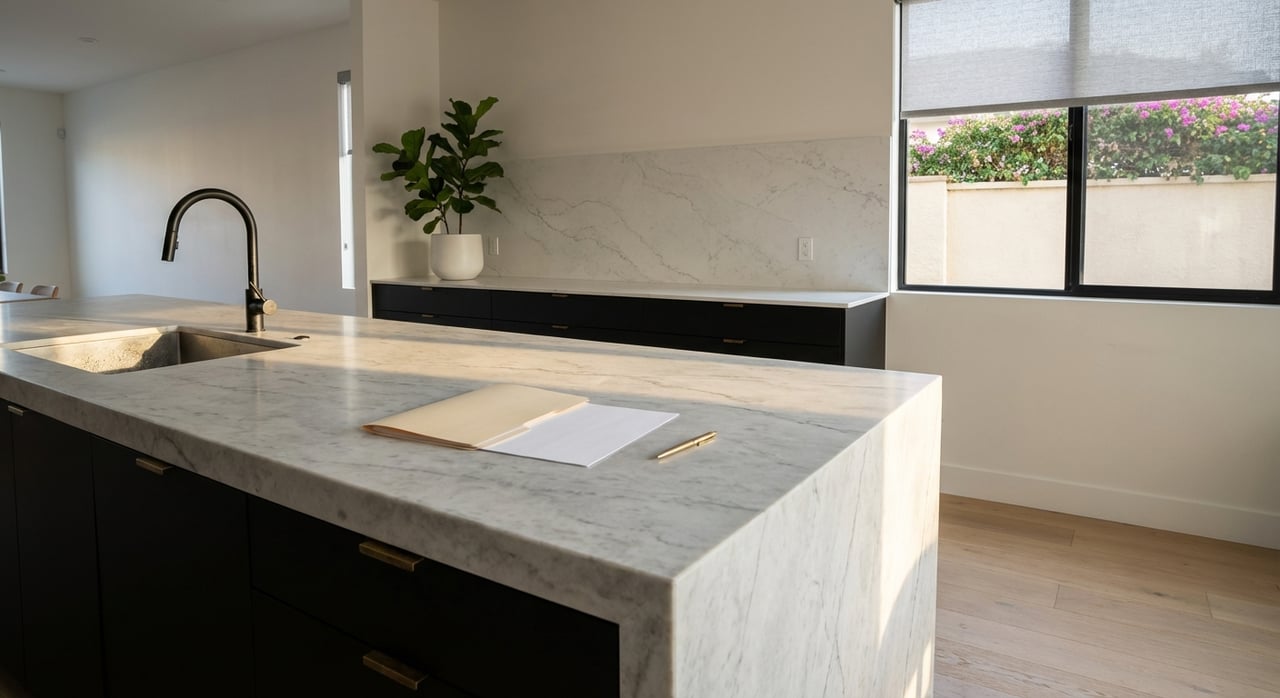
Make presentation simple. Clean, well‑lit rooms help the appraiser document features correctly. Leave a short upgrades sheet on the kitchen counter to highlight key improvements.
Provide your packet without pressure. Give the documents to your agent to hand off or leave them in the home. Appraisers must remain independent under USPAP ethics. Stick to facts, not persuasion.
Repairs that help most
Fix safety and structural issues first. Repair roof leaks, exposed wiring, active termite damage, and major plumbing leaks. These problems can reduce value or block loan approval under HUD’s FHA policy.
Confirm core systems function. Heating, cooling, water heater, water supply, and sanitation should operate properly. FHA and VA put extra focus on these Minimum Property Requirements, outlined in the same HUD handbook.
Address major deferred maintenance. Resolve foundation concerns, widespread mold or rot, and issues that reduce usable living area. Cosmetic updates help with buyer appeal, but safety and function matter more for valuation.
If the value comes in low
Start by getting a copy of the appraisal from the lender and review the comparable sales and adjustments with your agent. Gather additional facts like recent relevant closings, pending sales, and proof of permitted improvements. Then request a reconsideration of value through the lender’s process using objective evidence, as described in Fannie Mae’s appraiser guidance.
If a change is not possible, negotiate with the buyer on price, credits, or repairs that clear any “subject to” items called out by the appraiser. In some cases you can order a second appraisal if the loan program or contract allows. Remember, appraisers must remain independent under USPAP, so keep your approach factual and professional.
Ready to prepare your Los Angeles County home for a smooth appraisal and strong sale outcome? Our team blends neighborhood expertise with lender‑grade process knowledge from extensive HUD and REO work. Get a clear plan, bilingual support, and a pricing strategy built on real appraisal standards. Connect with Misael Vasquez to get your free home valuation and next steps.
FAQs
What is a home appraisal in Los Angeles County?
- It is the lender’s independent opinion of market value for your buyer’s loan, completed under USPAP standards and investor rules.
How do appraisers measure square footage under ANSI in LA?
- They report above and below grade finished area using ANSI methods, and list non‑qualifying spaces separately, which can change how additions and conversions are valued.
What documents should I give the appraiser as a seller?
- Provide permits and final sign‑offs, receipts and warranties, photos of upgrades, HOA financials for condos, a floor plan, and a one‑page improvements list.
Do unpermitted additions always hurt appraised value?
- Not always, but they trigger extra scrutiny and may be treated differently by some lenders, so clear documentation and market evidence are important.
How do natural hazard disclosures affect my appraisal?
- The appraiser notes hazard context, and lenders review your NHD for mapped risks like flood, fault, seismic hazard, or very high fire hazard areas.
What if my FHA appraisal flags repairs?
- Address safety, soundness, or sanitation issues to meet FHA Minimum Property Requirements, then provide proof of completion to the lender for clearance.