What draws people to Southeast Los Angeles County? For many, it is a practical mix of value, community, and access to jobs across LA and Orange County. If you are renting now or eyeing your first home, you want a real picture of daily life, not hype. This guide gives you the lay of the land so you can decide if the area fits your budget, commute, and lifestyle. Let’s dive in.
Where is Southeast Los Angeles County?
Southeast Los Angeles County does not have one official boundary. In everyday conversation, it usually refers to the cities east and south of downtown along the 710 and 605 corridors, often overlapping with the Gateway Cities. For clarity in this guide, think of places like Downey, Norwalk, Whittier, Pico Rivera, Montebello, Bellflower, Lakewood, Paramount, South Gate, Lynwood, Huntington Park, Bell, and Cudahy. Some people include nearby Long Beach influences too.
These communities are diverse and family-centered. You will find a wide range of housing and street types, from quiet blocks of postwar homes to denser corridors with small apartment buildings and active commercial strips. Economically, the region includes both middle-income suburban pockets and more working-class, urban areas. Block-by-block differences are common, so it helps to visit specific streets and corners you are considering.
The housing feel
Home types you see
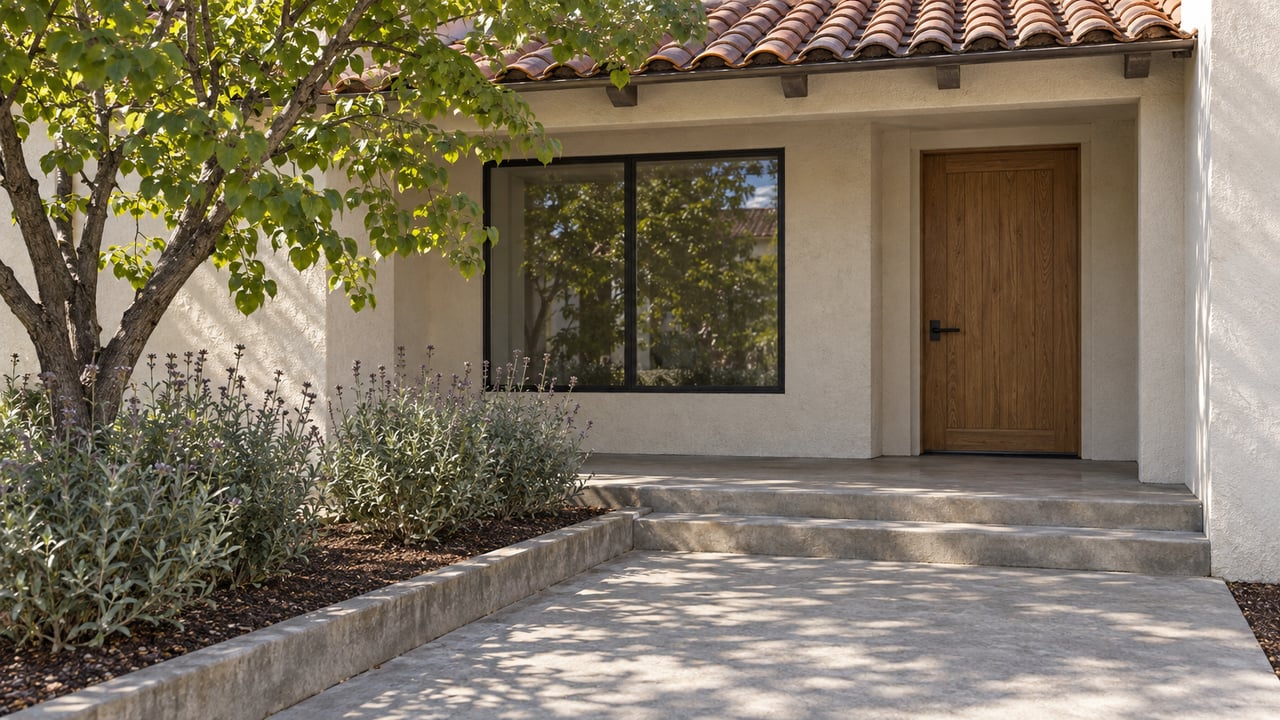
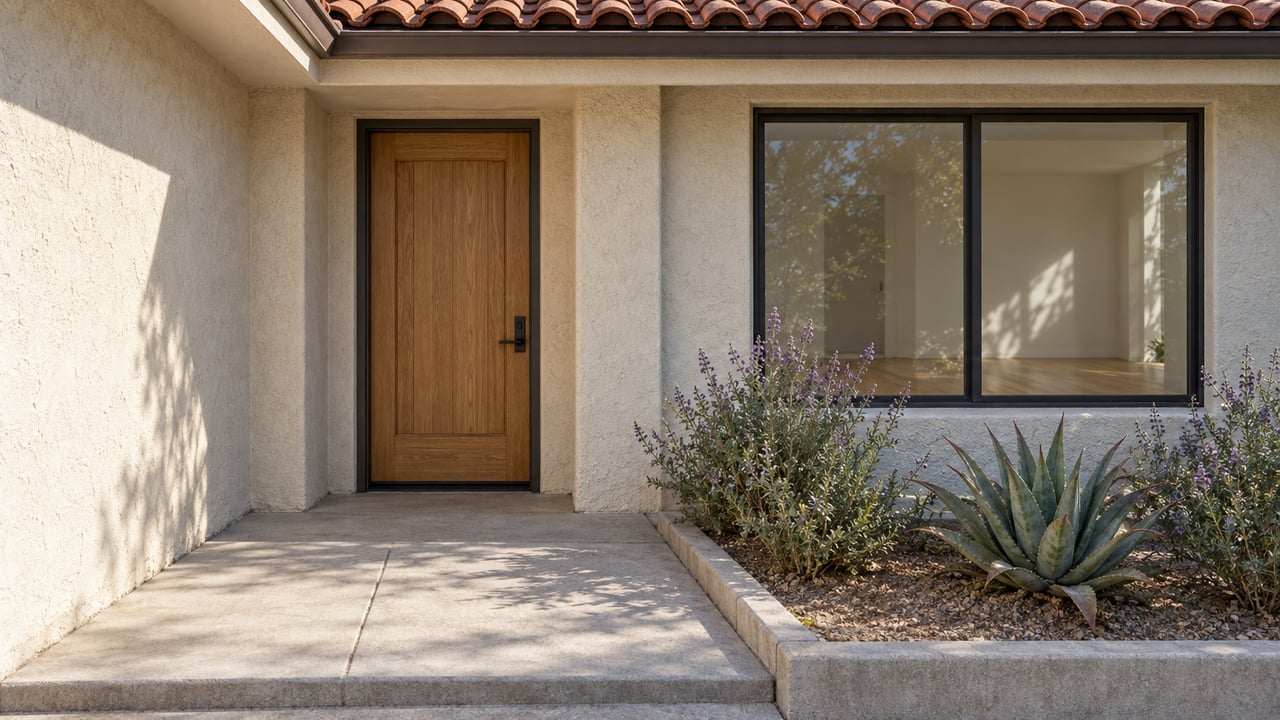
You will see many older single-family houses, especially bungalows and ranch-style homes built from the 1920s through the 1960s. Postwar tract neighborhoods are common in cities like Lakewood, Downey, and parts of Whittier. In denser cities like Huntington Park and parts of South Gate, small apartment buildings, duplexes, and triplexes line older grids near commercial corridors. Newer infill and small-lot developments show up in pockets, but large condo towers are rare.
How affordability compares
Southeast LA often prices lower than Westside and coastal areas of LA County. That said, affordability varies a lot by city and even by street. Inventory across Southern California remains competitive, and the same pressures you hear about countywide apply here too. If you are planning a purchase or comparing rents, expect to see trade-offs between location, space, and condition.
Renting vs. buying realities
Renters will find a mix of small buildings and older complexes, often with simpler amenities than newer developments elsewhere in LA. Some cities have rent stabilization programs while others do not. Statewide protections, such as AB 1482’s rent cap and just cause rules, apply in many situations with exemptions. Since rules change, always check the local city’s housing or municipal code before you sign or renew a lease.
If you are buying, plan for maintenance and updates. Many homes are older and may need electrical, plumbing, roofing, or earthquake-related upgrades. Cosmetic updates are common and can be a way to add value over time. In a competitive market, being flexible about condition can open more options.
Commutes and getting around
Major freeways you will use
Daily life here is shaped by the I-710, I-605, I-5, SR-91, and the I-105 near the southern pockets. These roads connect directly to downtown LA, Orange County, the South Bay, and the ports. Peak traffic is real, and truck traffic linked to port and industrial areas can slow local streets near the freeways. If you rely on driving, test your commute during the hours you would actually travel.
Transit options to know
Transit is stronger along main corridors. You have LA Metro bus routes and municipal bus lines that run frequent service, plus the Metro A Line to Long Beach and Metrolink commuter rail in select areas. Many residents use mixed-mode commutes, such as driving to a park-and-ride or combining a short drive with a rail connection. Your transit convenience will depend on your exact address and your destination.
Commute realities
Commute times vary widely. Trips to downtown LA, the Westside, or parts of Orange County can take 30 to 60 minutes or more during peak periods. On the flip side, if you work in the South Bay, Long Beach, or nearby logistics, retail, or health care hubs, you may find shorter, more predictable drives. As always, timing matters; a route that feels easy at 10 a.m. can look very different at 7:30 a.m.
Neighborhood rhythm and amenities
Parks and outdoor time
You will find a healthy mix of regional and neighborhood parks. Whittier Narrows Recreation Area offers lakes, sports fields, and open space for weekends. The Rio Hondo bike paths and nearby trails give you a way to get outside without a long drive. Most cities maintain community parks and recreation centers with youth sports, classes, and seasonal events. Long Beach beaches and the waterfront are within an easy drive for many residents.
Shopping and services
Expect everyday convenience along commercial corridors such as Firestone Boulevard, Atlantic Avenue, Rosemead Boulevard, Paramount Boulevard, and Whittier Boulevard. These strips offer groceries, small shops, discount retail, and services. Regional malls and big-box stores are close by in several cities. Proximity to Long Beach and the South Bay adds more retail and entertainment options when you want something bigger.
Food and culture
The food scene is a standout. You will see a strong presence of Mexican and Central American restaurants, bakeries, taquerias, mercados, and family-run businesses that have served locals for decades. In some corridors, new coffee shops and contemporary eateries are opening beside long-time favorites. Community festivals and celebrations recur throughout the year and reflect the area’s diverse identities.
Health care and practical services
The region is served by a range of hospitals, community clinics, and urgent care centers across county and private systems. If you are considering a specific neighborhood, map out the nearest clinics and pharmacies along with your preferred hospital network. That way you know your routine stops for checkups and emergencies.
Environmental notes
Areas close to industrial and logistics corridors can experience more noise, truck traffic, and air quality concerns. Inland residential pockets can be quieter with mature trees and calmer streets. If this is important to you, walk the block at different times of day to get a feel for traffic, sound, and air.
Schools and safety basics
Multiple school districts serve Southeast LA, including Los Angeles Unified in some pockets, Long Beach Unified in Long Beach, and districts such as Downey Unified, Norwalk-La Mirada Unified, Montebello Unified, and Bellflower Unified, among others. School performance, programs, and campus feel vary by school, even within the same district. If schools are a key factor, confirm the district for a specific address, review state data and reports, and visit campuses to assess fit.
Safety and crime also vary by city and neighborhood. Some places report lower rates than county averages, while others report higher rates. For the best read, look at local police department crime maps and state-level data, and then visit the block to see how it feels at different times.
Common trade-offs to consider
- More attainable prices versus longer or more congested commutes, depending on where you work.
- Strong community life and cultural amenities versus some neighborhoods closer to industrial corridors and heavier traffic.
- Older homes with character and backyard space versus potential updates, retrofits, and ongoing maintenance.
- Smaller, older apartment buildings with straightforward amenities versus newer buildings in other parts of LA with more features.
A smart first-time buyer plan
- Set your commute baseline. Drive or ride your likely routes at peak times to compare cities like Downey, Pico Rivera, Whittier, and Norwalk.
- Walk the block. Visit on a weekday morning, a weekend afternoon, and an evening. Notice traffic, parking, noise, and street activity.
- Inspect for age-related issues. When you tour homes, ask about electrical capacity, plumbing material and age, roof condition, foundation, and any earthquake retrofit work.
- Verify school boundaries. District lines can be irregular. Confirm the assigned schools for the exact address and review performance and programs.
- Review local rental rules. If you plan to rent before buying or buy a small multifamily property, check city ordinances and understand how statewide protections like AB 1482 may apply.
- Budget for updates. Many homes will benefit from system upgrades and cosmetic refreshes. Build this into your plan so you are not surprised after closing.
Is Southeast LA a fit for you?
If you want a practical path into homeownership near LA and Orange County job centers, Southeast LA is worth a close look. You will find a wide range of neighborhoods, strong local food and community culture, and access to regional parks and beaches. The trade-offs are real too, especially around commute patterns and the age of the housing stock. With clear priorities and the right guidance, you can find a home that fits your lifestyle and budget.
Ready to take the next step? Talk with a local team that understands the block-by-block differences, HUD and REO opportunities, and the realities of older homes in this region. Connect with Misael Vasquez for a no-pressure conversation about your plan.
FAQs
How is commuting in Southeast LA for most residents?
- Commutes rely on the I-710, I-605, I-5, SR-91, and I-105, with peak congestion common; times range widely by destination and time of day, so test your route.
Can you find single-family homes in Southeast LA?
- Yes, single-family homes are common, especially postwar ranch and bungalow styles, with small multifamily buildings more common in denser cities.
Are there rent controls in Southeast LA cities?
- It varies by city; some have local rent stabilization, while statewide protections like AB 1482 apply in many cases with exemptions, so check local rules.
What are schools like across Southeast LA?
- Multiple districts serve the area, and performance varies by school; confirm boundaries for an address, review state data, and visit campuses to assess fit.
What is the neighborhood vibe in Southeast LA?
- Neighborhoods are diverse and community-oriented, with active commercial strips, local festivals, and a strong food culture, varying by city and block.